The Story
Cuba Food Culture
A Kitchen Built on Slow-Cooked Meats, Sweet Plantains and Café Cubano
Cuban food culture is Havana slow — a rhythm of long lunches, small cups of café cubano, and pots of black beans that have been quietly simmering since morning. The Cuban kitchen leans on a handful of anchors — rice, beans, pork, plantain, garlic, cumin, lime, and the sofrito that starts almost every meal — reworked into dishes that feel both humble and celebratory. Meals are generous, unhurried and built for the whole family, from Vedado apartments to Miami's Little Havana counters.
What makes the Cuban table so distinctive is its layering of influences — Spanish colonial cooking, West African tradition, Caribbean produce and Chinese-Cuban corner shops all meeting on the same plate. Food here is memory, identity and hospitality all at once, and no one leaves the table hungry.
Signature Dishes and the Stories Behind Them
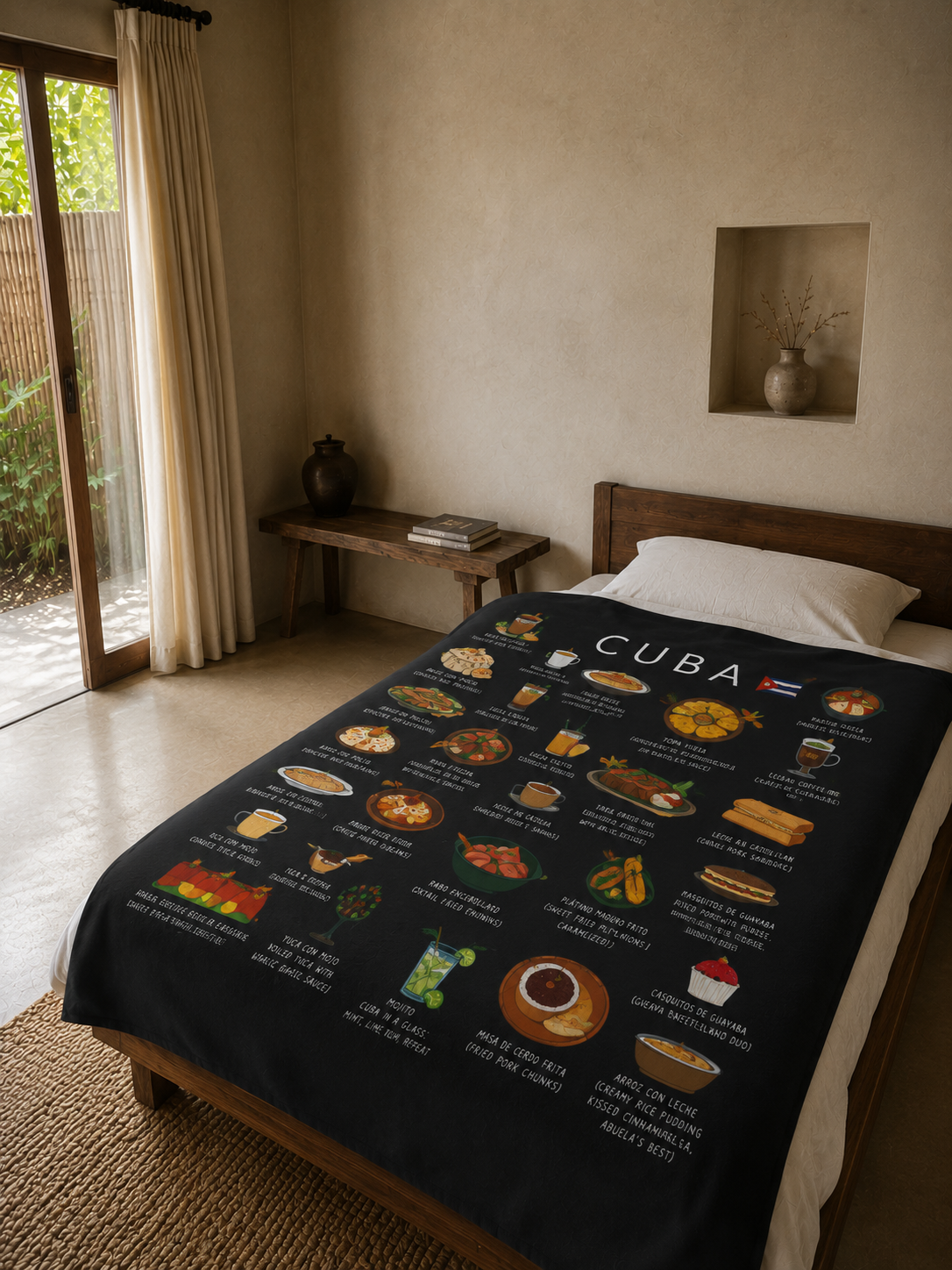
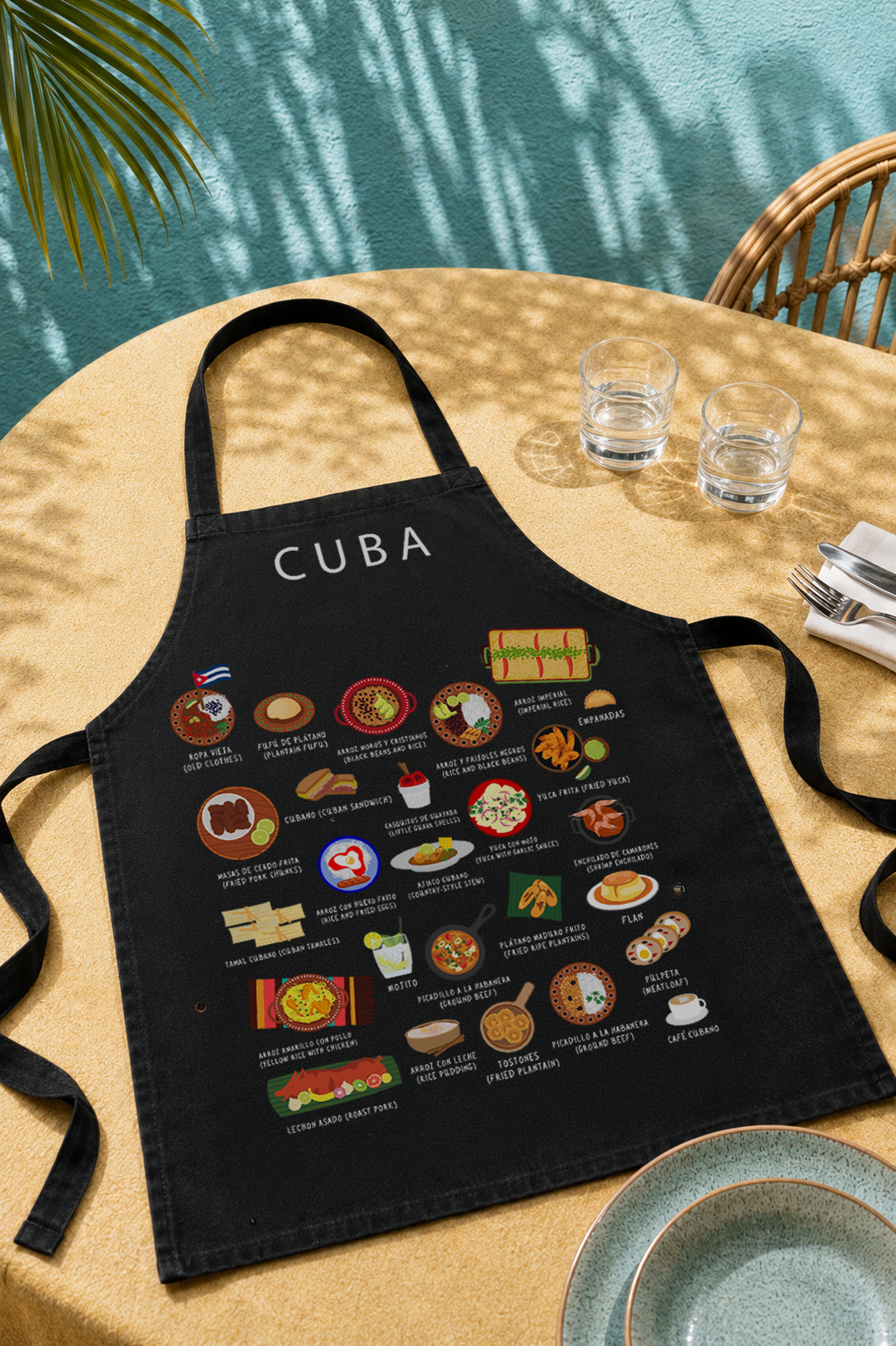
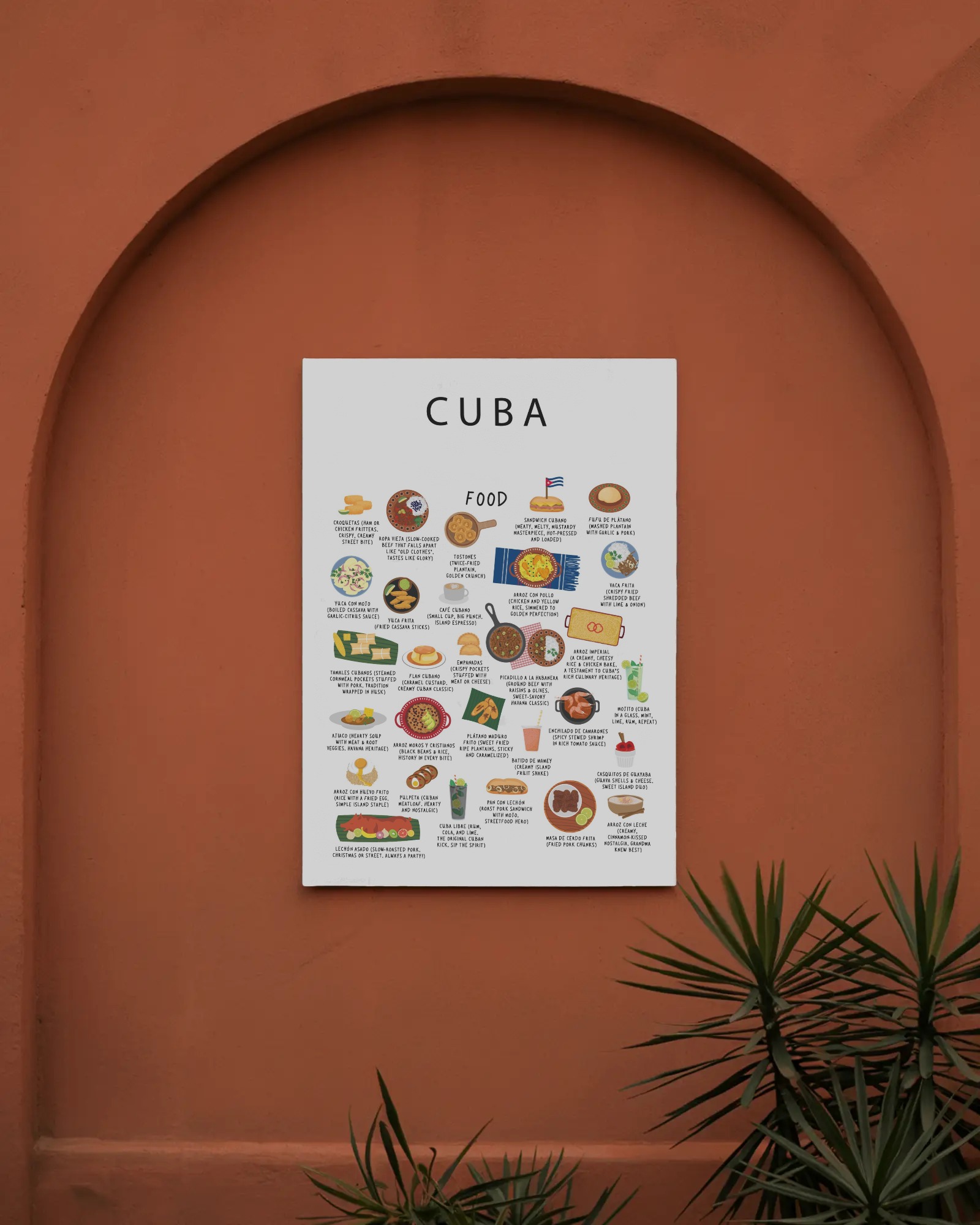
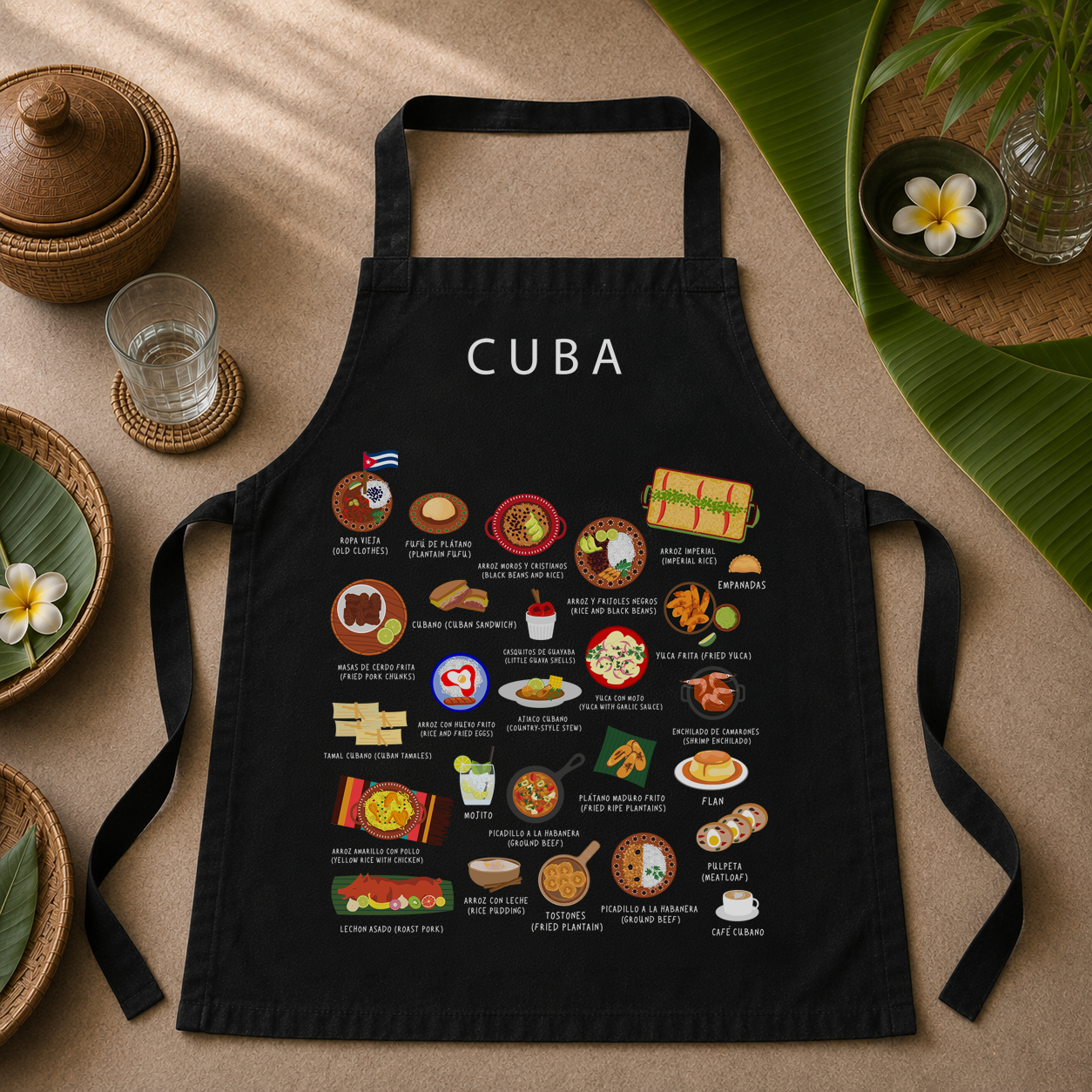
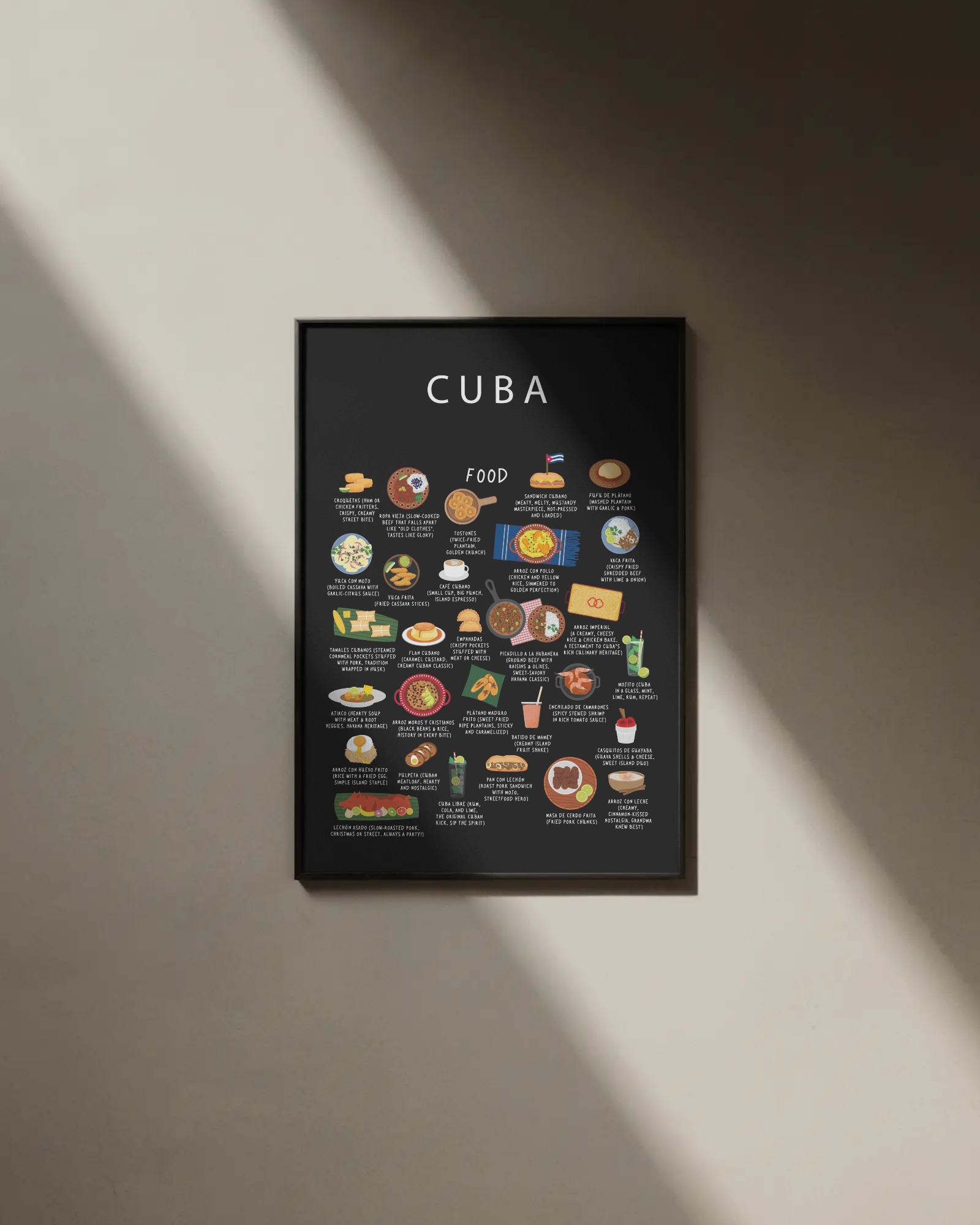
Ropa vieja — shredded beef slow-braised in tomato, peppers and wine until it falls apart like old clothes — is Cuba's most famous ambassador, usually served with white rice, black beans and fried plantains. The Cubano sandwich, pressed hot with roast pork, ham, Swiss, pickles and mustard, is the country's most portable icon. Arroz con pollo, moros y cristianos (black beans and rice cooked together), and lechón asado — the slow-roasted pork that anchors every Nochebuena — sit at the centre of the Cuban repertoire.
Around those classics live the deep favourites: picadillo a la habanera with raisins and olives; tostones and maduros (twice-fried and sweet fried plantains); yuca con mojo drenched in garlic-citrus sauce; ajiaco, the country-style stew; tamales cubanos wrapped in husk; empanadas and croquetas from the bakery counter; flan cubano and casquitos de guayaba for dessert; and arroz con leche stirred slow with cinnamon. Every dish carries a piece of Havana with it.
Mojitos, Cafecito and the Long Cuban Evening
Cuba's drinks map is as iconic as its plates. The mojito — rum, mint, lime, sugar, soda — was born in Havana and still tastes best there. The daiquiri, the Cuba Libre and the piña colada all owe something to the island. And running underneath it all is café cubano — small, sweet, dark, and taken as punctuation throughout the day, whether as a straight cafecito, a cortadito with steamed milk, or a café con leche for breakfast with buttered Cuban bread.
Evenings soften into music. A bottle of Havana Club on the table, dominoes on the sidewalk, a slow-cooked pot still on the stove for anyone who drops by. The Cuban meal is rarely just about the food — it is about the hours spent around it.
Why Maison Maps Celebrates Cuba
Cuba's food story is one of the most visually rich in the Caribbean — ropa vieja, the Cubano, moros y cristianos, tostones, lechón asado, flan, mojitos and café cubano, all set against Havana's warm colour palette. Our Cuba collection turns that whole world into a single illustrated composition, celebrating the dishes that define the island's slow, generous, rum-soft kitchen.
Every Cuba piece is printed and shipped through our Etsy shop — posters, blankets and aprons for anyone who grew up on ropa vieja, Sunday lechón and café cubano and wants to keep a little of the Cuban table on the wall and in the kitchen.
Ready to bring the Cuba kitchen home?
Shop the Cuba collection on Etsy →